
Mediterranean coastal landscape

Insights into Riviera-Inspired Nutrition Patterns

Exploring the science of body weight homeostasis and Mediterranean dietary traditions

Educational content only. No medical services. No promises of outcomes.

Featured Articles

Discover the scientific foundations of Mediterranean nutrition

Body Weight Stability

How the body achieves and maintains long-term weight equilibrium through physiological mechanisms.

Read More →

French Riviera Nutrition

The nutritional characteristics of Mediterranean food traditions and their biochemical effects.

Read More →

Coastal Energy Rhythms

Understanding daily rhythms, energy regulation, and lifestyle patterns in coastal environments.

Read More →

Physiological Homeostasis of Body Weight

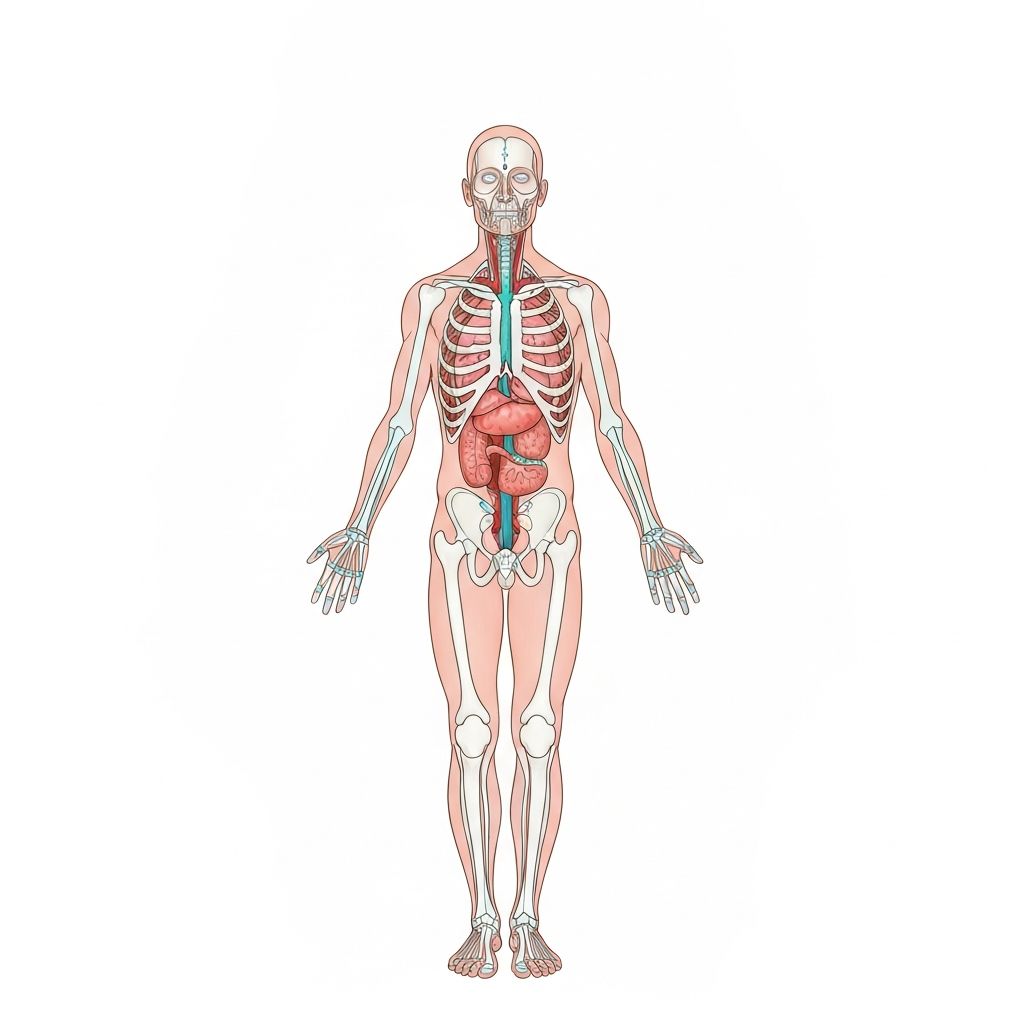
Human body metabolism illustration

Body weight homeostasis refers to the physiological mechanisms that maintain relatively stable body weight over extended periods. This regulatory system involves complex interactions between the nervous system, hormones, and metabolic pathways.

The human body possesses sophisticated feedback mechanisms that monitor energy intake, expenditure, and storage. These systems work to maintain equilibrium, with the hypothalamus playing a central role in regulating appetite signals and energy metabolism.

Understanding these mechanisms is fundamental to comprehending how dietary patterns, lifestyle factors, and environmental conditions influence overall metabolic function. The body continuously adjusts various parameters to maintain this dynamic equilibrium.


Riviera-Style Mediterranean Nutrition Patterns

Fresh Mediterranean salad with vegetables

The Mediterranean region, particularly the French Riviera (Côte d'Azur), has distinctive food traditions characterized by abundance of fresh produce, seafood, and healthy fats. These patterns reflect both local agriculture and historical dietary practices.

Mediterranean cuisine emphasizes seasonal vegetables, legumes, whole grains, and olive oil. Fresh herbs like basil, oregano, and thyme are extensively used. The diet includes moderate portions of fish and seafood, providing essential omega-3 fatty acids and protein.

Golden olive oil in glass bottle on terrace

Olive oil serves as a primary source of dietary fat, rich in monounsaturated fatty acids. The energy balance of Mediterranean patterns is naturally moderate, as whole, minimally processed foods are staple components. Portions are typically smaller than in modern industrialized food systems.

The lifestyle context of Mediterranean regions includes moderate physical activity through daily routines, leisurely meals taken with family, and adequate rest periods. These behavioral factors complement the nutritional profile of the region.

Role of Seafood and Herbs in Energy Balance

Fresh seafood with Mediterranean herbs

Seafood provides high-quality protein with minimal saturated fat. Fish species common to Mediterranean regions contain omega-3 polyunsaturated fatty acids (EPA and DHA), which play roles in inflammation regulation and neurological function.

Shellfish and mollusks contribute micronutrients including selenium, zinc, and B vitamins essential for metabolic enzyme function. The protein content supports satiety signals through effects on appetite-regulating hormones.

Mediterranean herbs such as oregano, basil, rosemary, and thyme contain polyphenolic compounds with antioxidant properties. These compounds are studied for their potential effects on various biological processes and metabolic pathways.

Fresh produce—tomatoes, zucchini, eggplant, peppers—provides fiber, vitamins, and phytonutrients. Fiber intake influences digestive processes, satiety, and the composition of intestinal microbiota, which relates to metabolic function.

Frequently Asked Questions

What is body weight homeostasis?
Body weight homeostasis is the biological system that maintains relatively stable body weight over time through balance between energy intake and expenditure. It involves complex interactions between hormones, nervous system signals, and metabolic processes.
Why is Mediterranean nutrition significant?
Mediterranean nutrition patterns are significant because they represent a traditional food system that combines fresh, whole foods with specific nutrient profiles. These patterns have been studied extensively for their nutritional composition and their relationships to various health outcomes in epidemiological research.
What role do Mediterranean herbs play?
Mediterranean herbs contain various bioactive compounds including polyphenols and essential oils. These compounds are subjects of scientific research investigating their potential effects on oxidative stress, inflammation markers, and other biological processes.
How does lifestyle context influence metabolism?
Lifestyle factors including physical activity patterns, sleep duration, meal timing, and stress levels influence various aspects of metabolism. Mediterranean coastal regions traditionally feature moderate daily activity and regular meal patterns that contribute to overall energy balance.
Is this medical advice?
No. This is educational content providing information about nutrition science and physiological mechanisms. Individual health decisions should be based on personal circumstances and consultation with qualified healthcare professionals. This content is not a substitute for medical advice.

Lifestyle Patterns on the Côte d'Azur

People walking on Mediterranean promenade

The Côte d'Azur encompasses the French Mediterranean coast, including Nice, Cannes, and surrounding regions. Traditional lifestyle patterns in these areas include regular outdoor walking, leisurely dining, and moderate physical activity integrated into daily routines.

Climate factors influence behavior patterns—the temperate Mediterranean climate supports year-round outdoor activities. Social meal practices feature families dining together, often extending over longer periods with smaller portion sizes compared to modern industrial food environments.

The pace of life traditionally allows for adequate rest and recovery periods. Afternoon rest (siesta) patterns, though less common now, historically provided recovery opportunities. The integration of nature proximity—beaches, sea, parks—facilitates regular movement and stress reduction.

Myths About Coastal Eating Patterns

Question mark representing myth debunking

Myth: Mediterranean eating alone causes weight loss.
Reality: Body weight is determined by total energy balance. Mediterranean food patterns are characterized by moderate caloric density and whole foods, but outcomes depend on individual energy intake versus expenditure.

Myth: Coastal regions have secret metabolism-boosting foods.
Reality: There are no foods with unique metabolic-accelerating properties specific to coastal regions. Foods affect metabolism through their nutritional composition (protein, fiber, micronutrients), which applies universally.

Myth: Living near the sea automatically ensures health.
Reality: Geographic location alone does not determine health outcomes. The beneficial aspects of Mediterranean regions relate to specific dietary practices, activity patterns, and lifestyle factors—not location itself.

Myth: Mediterranean nutrition is a "diet" with quick results.
Reality: Mediterranean patterns represent long-term lifestyle food choices rooted in cultural traditions. They are not short-term interventions and outcomes vary based on individual differences, total energy balance, and other lifestyle factors.

Explore More

Discover detailed scientific insights about Mediterranean nutrition and body weight regulation